

WASHINGTON (CN) - The Supreme Court rejected on Wednesday an anonymity request from current and former Seattle police officers fighting a public records request that would reveal information about their presence at a rally for President Donald Trump right before the Jan. 6, 2021, Capitol riot.
In an apparent unanimous decision, the justices denied the officers' appeal to avoid disclosing their names in court records. Although they have been cleared of any wrongdoing in the Capitol attack, the officers argued that the disclosure would violate their First Amendment rights.
The court did not explain its ruling, but Justice Samuel Alito wrote a concurring statement saying that the officers' application didn't meet the high bar for emergency relief.
"The mandate of the Washington Supreme Court was issued more than a month ago, and the applicants have not adequately explained why at this point they still face an imminent danger of irreparable harm," Alito, a George W. Bush appointee, wrote. Justice Clarence Thomas, a George H.W. Bush appointee, joined Alito's statement.
Alito, however, seemed sympathetic to the law enforcement officers' First Amendment arguments.
"Our denial of review in this case should not be taken as manifesting any degree of support for the proposition that the disclosure at issue in this case is consistent with the First Amendment," Alito wrote.
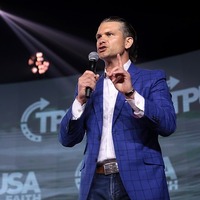
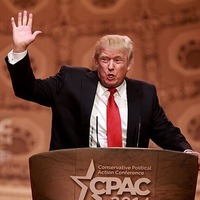
The four Seattle police officers attended Trump's "Stop the Steal" rally in D.C. on Jan. 6, 2021. Trump's remarks on the National Mall were followed by a violent riot at the U.S. Capitol, where his supporters attempted to halt the congressional certification of then-President-elect Joe Biden's 2020 victory.
The Seattle Police Department conducted an internal investigation that cleared the officers of wrongdoing. Public records requests sought information about police officers who attended the rally, however.
Using pseudonyms, the officers sued to block the release of the internal report. According to the officers, exposing their political beliefs would violate their First Amendment right to free expression.
Washington's court of appeals sided with the officers, but the Washington State Supreme Court reversed. The state high court said that the police officers had not demonstrated that their privacy rights would be violated if their real names were used in proceedings.
Supreme Court precedent protects the compelled disclosure of political briefs, the officers argued.
"These very private questions strike at the very core of political speech that the Government is now threatening to disclose publicly," the officers wrote in their appeal. "Although the public is entitled to be informed concerning the workings of its government ... this entitlement cannot be unlimited and inflated into general power to invade the constitutional privacy rights of individuals."
Alito seemed to agree, stating that the Washington Supreme Court sidestepped the argument.
"It reasoned that the applicants had no protected right regarding the fact that they attended public events in Washington on January 6 because they failed to produce 'any evidence demonstrating they took measures to attend the [January 6] rally anonymously,'" Alito wrote. "But that reasoning ignores the fact that the officers challenge the disclosure of their responses to investigatory questions, not merely the fact of their presence in Washington, D.C."
The officers did not immediately respond to a request for comment following the ruling.
Source: Courthouse News Service